
2025 Tripadvisor Travellers’ Choice Award
Picture Perfect Tours Wins 2025 Tripadvisor Travellers’ Choice Award in Halifax, Nova Scotia Picture Perfect Tours is proud to announce that we’ve been named a


The most important museum in Halifax, NS is also the one that is the most difficult to reach. But don’t let that stop you.
Located on the far, far north end of our downtown peninsula right along the shores of the Bedford Basin is the Africville Museum.
This tiny museum is a replica of a Baptist church that tells one of Halifax’s most important stories—a story about African Nova Scotian history and the historic community of Africville and it’s place of pride, resilience, and an enduring spirit that refuses to be forgotten by the families that called it home.
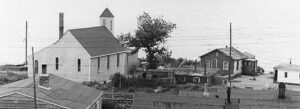
First settled in the 1830s by Black Loyalists and formerly enslaved people seeking refuge in Nova Scotia, Africville was a vibrant, self-sufficient community where Black families owned their land and built their lives free from the overt racism that permeated much of Halifax.
For over a century, residents created a thriving neighbourhood complete with their own church, school, and post office—all while facing systemic neglect from the City of Halifax, which consistently refused to provide basic services like paved roads, clean water, or sewage systems.
At the heart of it all stood the Seaview United Baptist Church, the emotional and spiritual centre where the community gathered to worship, celebrate, and face challenges together.
In the 1960s, under the guise of “urban renewal” and to make way for Halifax’s industrial expansion, the city demolished Africville and forcibly relocated its residents—many transported in garbage trucks. It was an act of environmental racism and injustice that severed deep roots and scattered families.
But the spirit of Africville could not be destroyed.
The Africville Genealogy Society, founded in 1983, fought for recognition and justice. In 2010, after a lawsuit settlement, the Mayor of Halifax issued an official apology, and $3 million was allocated to construct today’s museum. Opened in 2012, the Africville Museum stands as a replica of the beloved Seaview United Baptist Church, rising from the very ground where the original stood.
In 2024, Africville received UNESCO designation as Canada’s first Place of History and Memory linked to Enslavement and the Slave Trade—global recognition of this community’s profound significance.
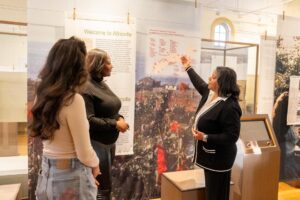
At the helm of the Africville Museum today is Executive Director Juanita Peters, a multi-award-winning storyteller whose career spans journalism, documentary filmmaking, theatre, and now museum leadership. As a former CBC news anchor and the director behind powerful documentaries like Africville Can’t Stop Now, Peters brings a unique storytelling sensibility to the museum’s mission.
Named ACTRA National’s 2022 Woman of the Year and recipient of the Queen Elizabeth Platinum Jubilee Medal, Peters understands that history isn’t just dates and facts—it’s lived experience, family memories, and stories that deserve to be told with dignity and creativity. Her vision has helped transform how visitors experience Africville’s legacy, ensuring that this isn’t just a museum you observe, but a community you step into.
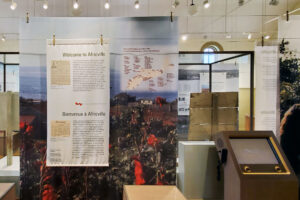
What makes the Africville Museum truly special is how it presents history. Rather than relying solely on traditional exhibit panels, the museum uses innovative approaches to make the past tangible.
Inside the replica church, visitors encounter audio-visual kiosks where former residents share their memories in their own voices. Historic photographs don’t just hang on walls—the images are are presented on mimic sheets of laundry hanging on clothes lines. The sheets of images are held in place with clothes pins and visitors are encouraged to lift the sheets to reveal another tableau of life size images behind the laundry. These massive images show vistas from Africville’s past and help visitors imagine children playing by the Bedford Basin’s waters and families gathering on front porches.
The museum’s travelling exhibit, “A Walk Through Africville,” designed by artist Angel Gannon with Peters, takes this even further. Featuring painted building facades that recreate an actual street in Africville, visitors literally walk through a neighbourhood that once was. Instead of reading about a store or church, you stand before it, experiencing the layout and feel of daily life.
There’s also the Walking Africville Audio Tour (accessible via QR code at the museum) that layers voices and stories over the landscape itself, letting visitors hear the memories of former residents as they look out over the very waters those families once called home.
This creative presentation transforms archival materials into emotional connections—photos, artifacts like the original church pulpit and children’s marbles, and video interviews become portals to understanding not just what happened, but what was lost and what endures.
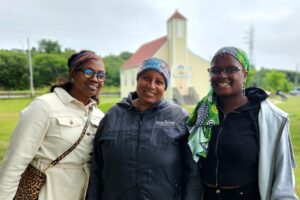
February is African Heritage Month in Canada—a time to honour the contributions, history, and resilience of African Canadian communities. There’s no better place in Halifax to mark this occasion than the Africville Museum.
Here, you don’t just learn about systemic racism in the abstract. You stand where it happened. You see faces, hear voices, and understand the human cost of injustice. But you also witness the strength of a community that, despite everything, kept its spirit alive through generations.
The museum serves as both memorial and celebration—commemorating what was destroyed while honouring the bonds of family and community that survive to this day.
Location: 5795 Africville Road, Halifax
Hours: Tuesday–Saturday, 10:00 AM–4:00 PM (guided tours available Monday–Friday, subject to availability)
Admission: Nominal fee ($7)
Don’t miss the adjacent Africville Park, with its scenic harbour views and informative trail panels that tell stories of what life was like for Africville residents.
At Picture Perfect Tours, we believe the most meaningful travel experiences are those that connect us to the deeper stories of a place. The Africville Museum offers exactly that—a profound encounter with history that will stay with you long after you leave the shores of the Bedford Basin.
This African Heritage Month, take the time to walk through Africville. Listen to its stories. Look out over the water where a community once thrived. And carry forward the legacy of resilience, dignity, and hope that continues to inspire us all.
The Africville Museum is a National Historic Site and UNESCO Place of History and Memory. For more information, visit africvillemuseum.org
Picture Perfect Tours Wins 2025 Tripadvisor Travellers’ Choice Award in Halifax, Nova Scotia Picture Perfect Tours is proud to announce that we’ve been named a
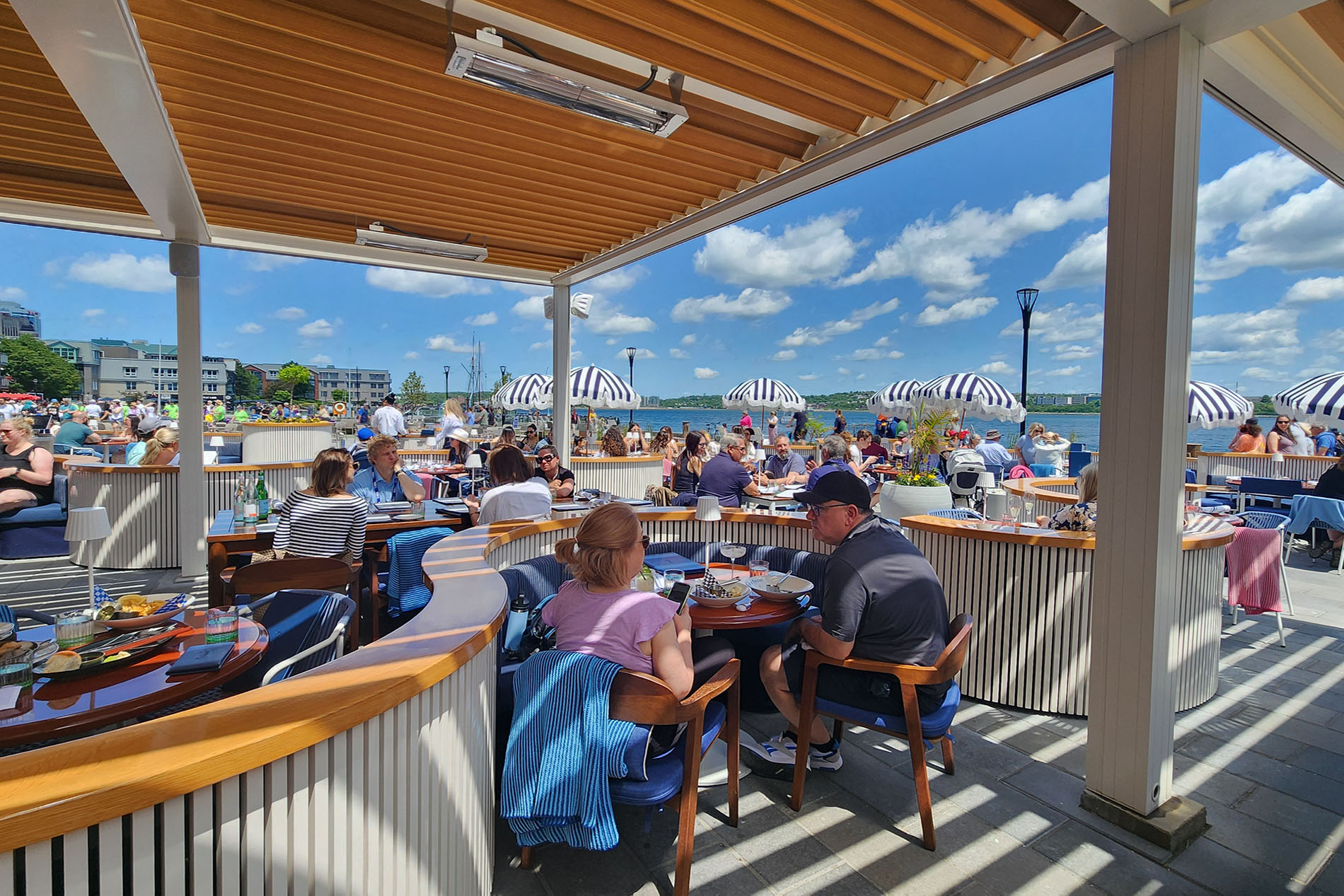
Our Favourite Restaurants in Halifax for 2026 Where Locals Eat (& Where We Send Our Guests) Like most liberal-arts school graduates, after university I ended

Sable Island Goes Greener: A Major Step Toward Sustainable Operations Yesterday, I attended an announcement by Parks Canada in Halifax about a $5.1 million investment