
Africville Museum in Halifax
The most important museum in Halifax, NS is also the one that is the most difficult to reach. But don’t let that stop you. Located

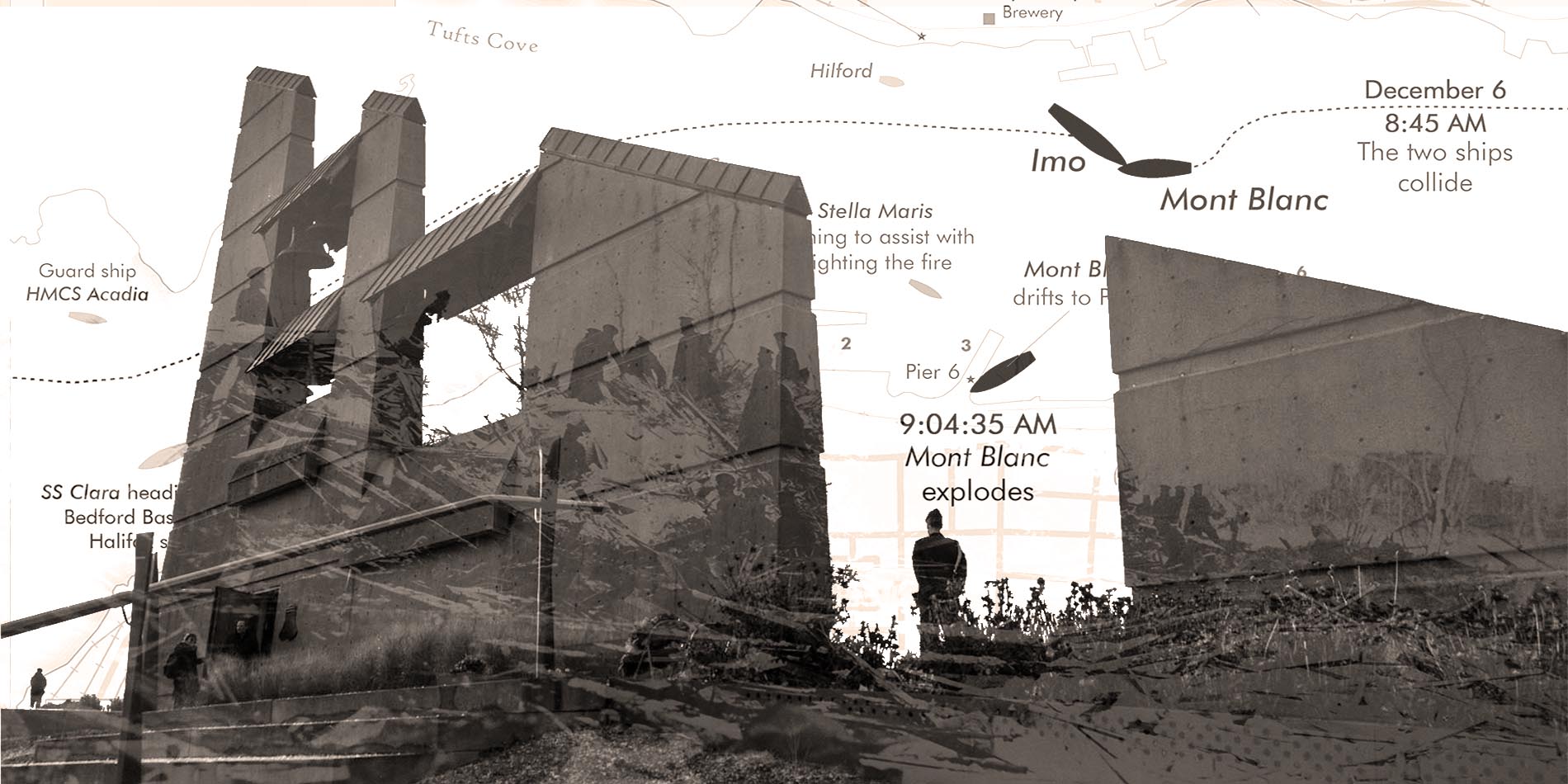
Explore the deeper story on our “Collision Course:Halifax Explosion Tour.

For the past 8 months or so I’ve been doing more and more research about the devastating Halifax Explosion of 1917 as we developed this unique experience. The only tour dedicated exclusively to the events and characters of December 6, 1917, Halifax was rocked by the largest human-made explosion before the atomic age.
The collision of the munitions ship Mont-Blanc and the Imo in Halifax Harbour leveled neighbourhoods, claimed nearly 2,000 lives, and left tens of thousands injured or homeless. Most people, even local Haligonians, know just the basics – but with Collision Course: Halifax Explosion we have 5 hours to dive into the extraordinary human stories and wild facts you’ve likely never heard.
So here is a hint of five of the lesser-known stories about December 6th, 1917 to spark your curiosity:
The blast shattered windows for miles, and many Haligonians, unaware of the danger, had gathered at their windows to watch the fire on the Mont-Blanc just before the explosion. Nearly 600 people were blinded or suffered serious eye injuries. The sheer scale of these injuries prompted national action: in 1918, the Canadian National Institute for the Blind (CNIB) was formed to support those who lost their sight in the disaster. The CNIB remains a vital organization today, with roots deeply connected to Halifax’s history and we donate a portion of the tour sales to the local CNIB chapter here in Halifax.
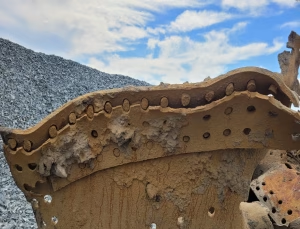
Even more than a century later, the Mont-Blanc is still leaving its mark on Halifax. In 2024, workers at the Halifax Shipyard made an astonishing discovery: massive, twisted steel fragments from the exploded ship, buried deep in the harbour floor. One piece, believed to be part of the ship’s bow or stern, weighed over 1,000 kilograms. These artifacts offer a dramatic reminder of the sheer force of the blast—and prove that the harbour still holds physical echoes of 1917. CBC News story
The explosion was so powerful that it hurled a 1,140-pound anchor from the Mont-Blanc more than 3 kilometres inland. It landed in the middle of a residential street in the North End of Halifax, where it remains to this day – preserved as a monument to the destructive power of the blast. It’s one of several artifacts you can visit in person, and one of the few we actually touch, and it’s a must-see stop on our tour to physically demonstrate the power of the blast.
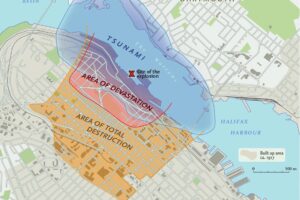
One of the most astonishing aspects of the Halifax Explosion is that almost everyone aboard the Mont-Blanc survived. As the fire took hold on the munitions-laden ship, the crew – including Captain Aimé Le Medec and harbour pilot Francis Mackey – quickly evacuated by lifeboat, rowing desperately toward the Dartmouth shoreline. Less than 20 minutes later, the ship exploded with a force equivalent to nearly 3,000 tons of TNT, leveling entire neighbourhoods.
Miraculously, only one crew member was killed, and that was from a broken leg suffered as the group ran for their lives through a forest as the blast blew them through the woods. One of my favourite tour stops is visiting this spot right on the harbour’s edge in Dartmouth where the crew ran into the woods. From here you can appreciate how narrow the harbour is and truly envision how the disaster unfolded.
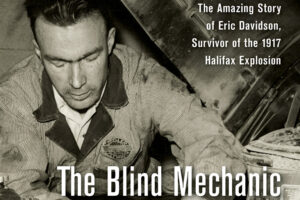
One of the most inspiring figures to emerge from the tragedy was Eric Davidson, who became blind at the age of two after being injured in the Halifax Explosion. Despite his lack of sight, Davidson became a remarkably skilled mechanic using just by listening and touch. He repaired cars and heavy duty vehicles for the city of Halifax.
His daughter Marilyn wrote an incredible biography, The Blind Mechanic, that recounts her father’s life of resilience, self-reliance, and determination. We met with Marilyn to help share Eric’s story as a powerful example of how the human spirit endured in the wake of disaster – and it’s one of the many personal stories featured on our tour.
Want the full story?
To learn more about this pivotal moment in Canadian history, book a private Collision Course: Halifax Explosion experience, a half-day immersive experience that brings the tragedy – and the resilience – of wartime Halifax to life through the streets, landmarks, and voices that shaped it. You’ll come away moved, informed, and inspired.
👉 Learn more and book your private Collision Course: Halifax Explosion tour today.
The most important museum in Halifax, NS is also the one that is the most difficult to reach. But don’t let that stop you. Located

Picture Perfect Tours Wins 2025 Tripadvisor Travellers’ Choice Award in Halifax, Nova Scotia Picture Perfect Tours is proud to announce that we’ve been named a
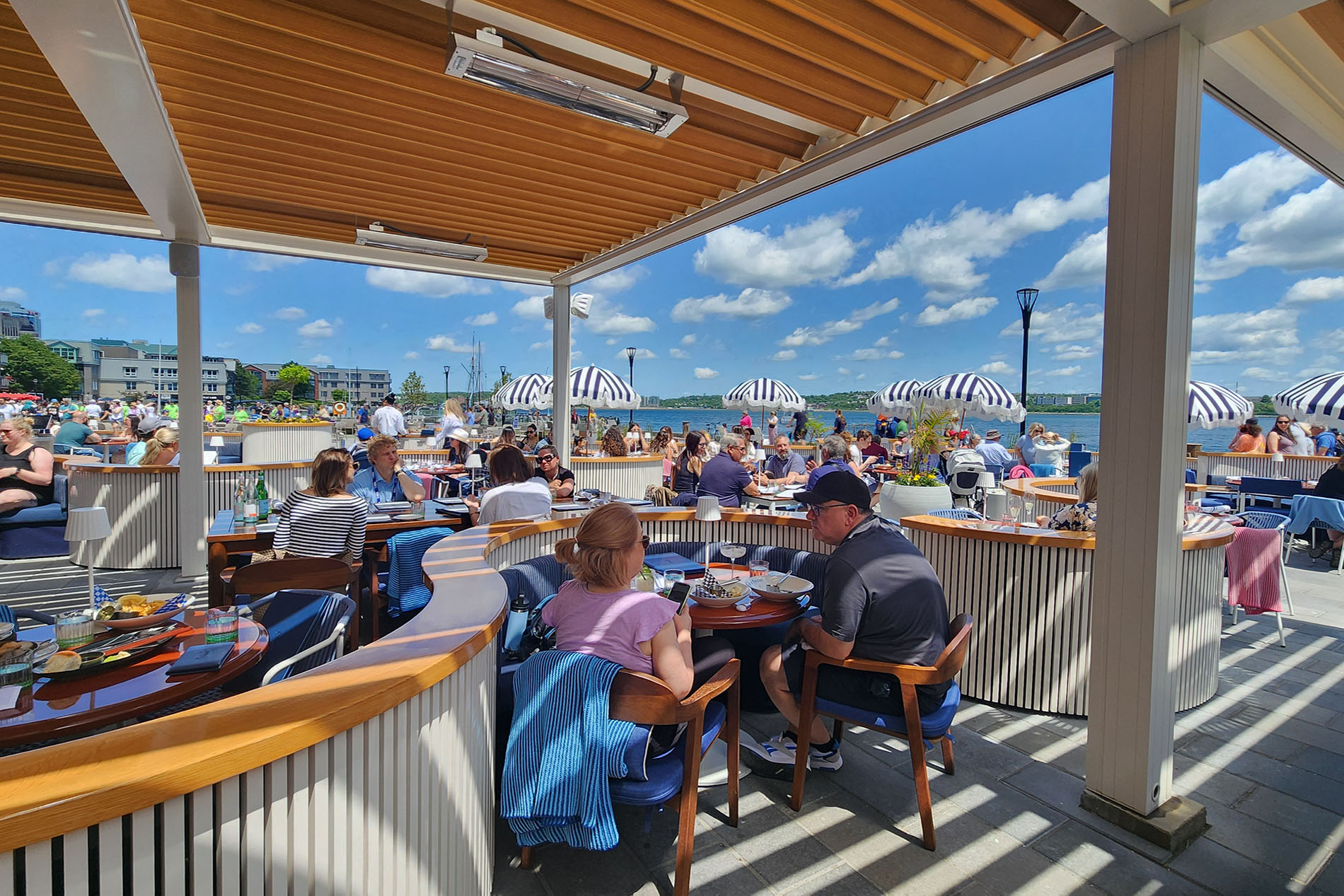
Our Favourite Restaurants in Halifax for 2026 Where Locals Eat (& Where We Send Our Guests) Like most liberal-arts school graduates, after university I ended